This site is intended for health care professionals outside of the UKSpringer Health +IME logo

MRI contrast agents sit at the heart of modern diagnostic imaging

They are shaping how clearly we see disease, guide treatment, and protect patient safety. As next-generation agents promise lower gadolinium exposure and evolving guidelines reshape best practice, radiology teams face an important moment of transition.

Real-world gaps in training, confidence, and decision-making can limit the safe and effective use of these powerful tools. This program explores what’s changing, what matters most, and how to translate emerging evidence into confident clinical practice – helping you optimise contrast selection, dosing, and patient care in a rapidly advancing field.

Latest content

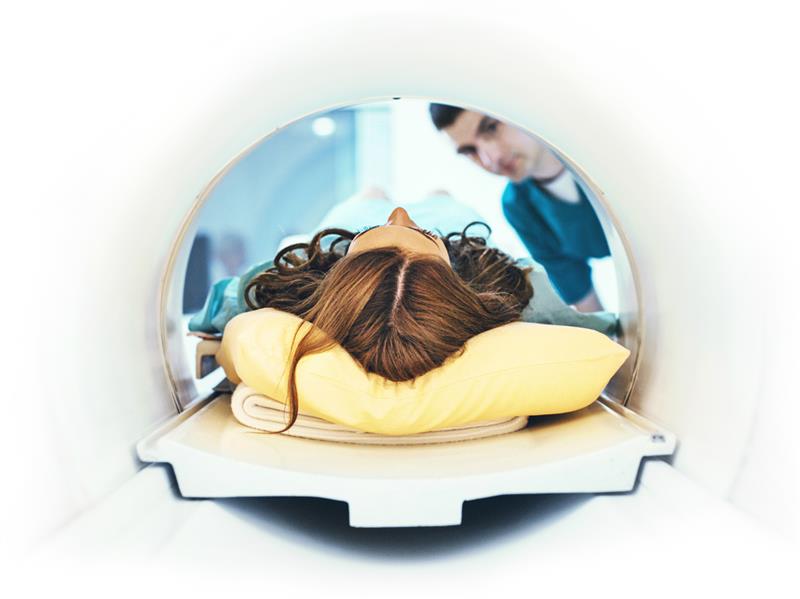
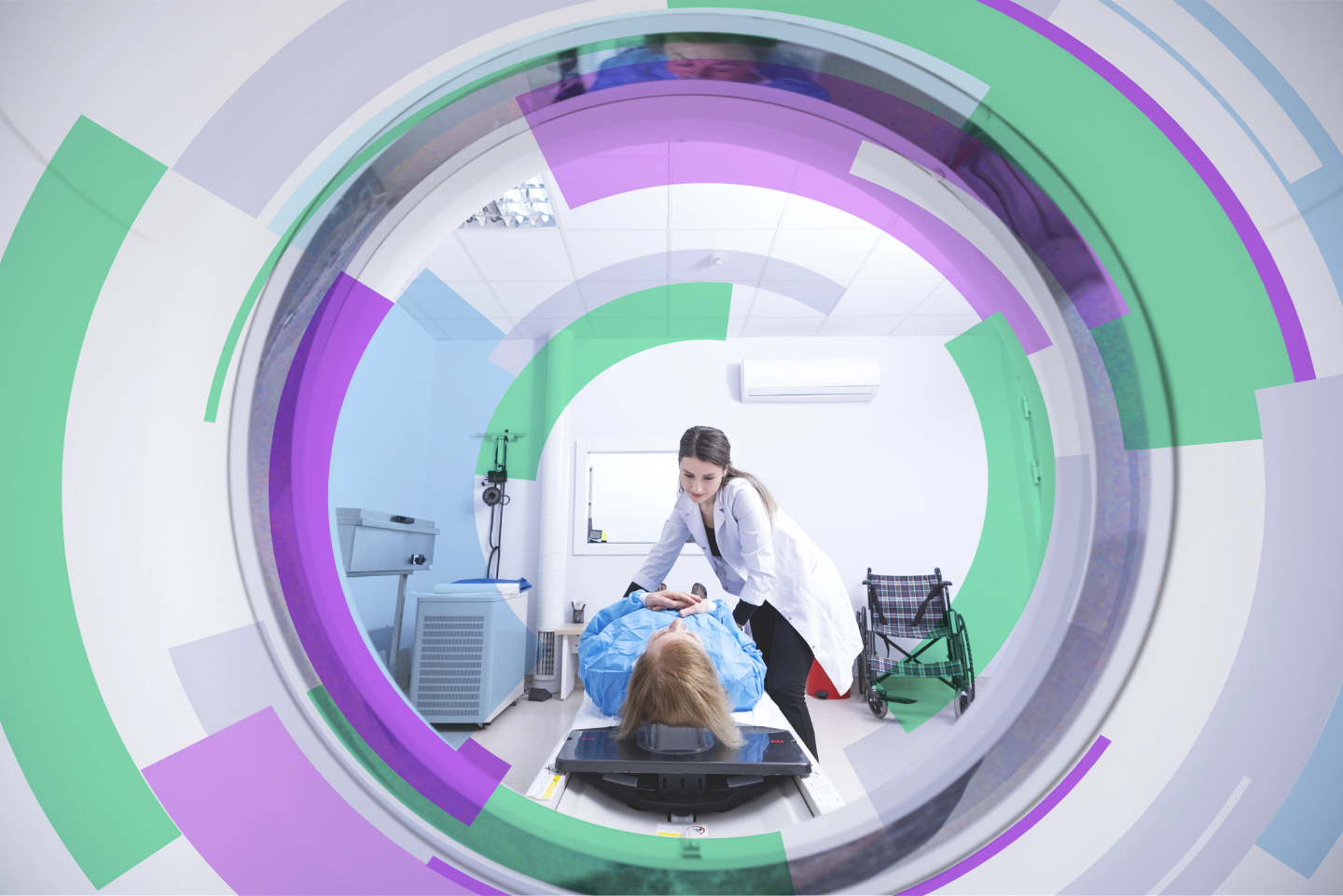
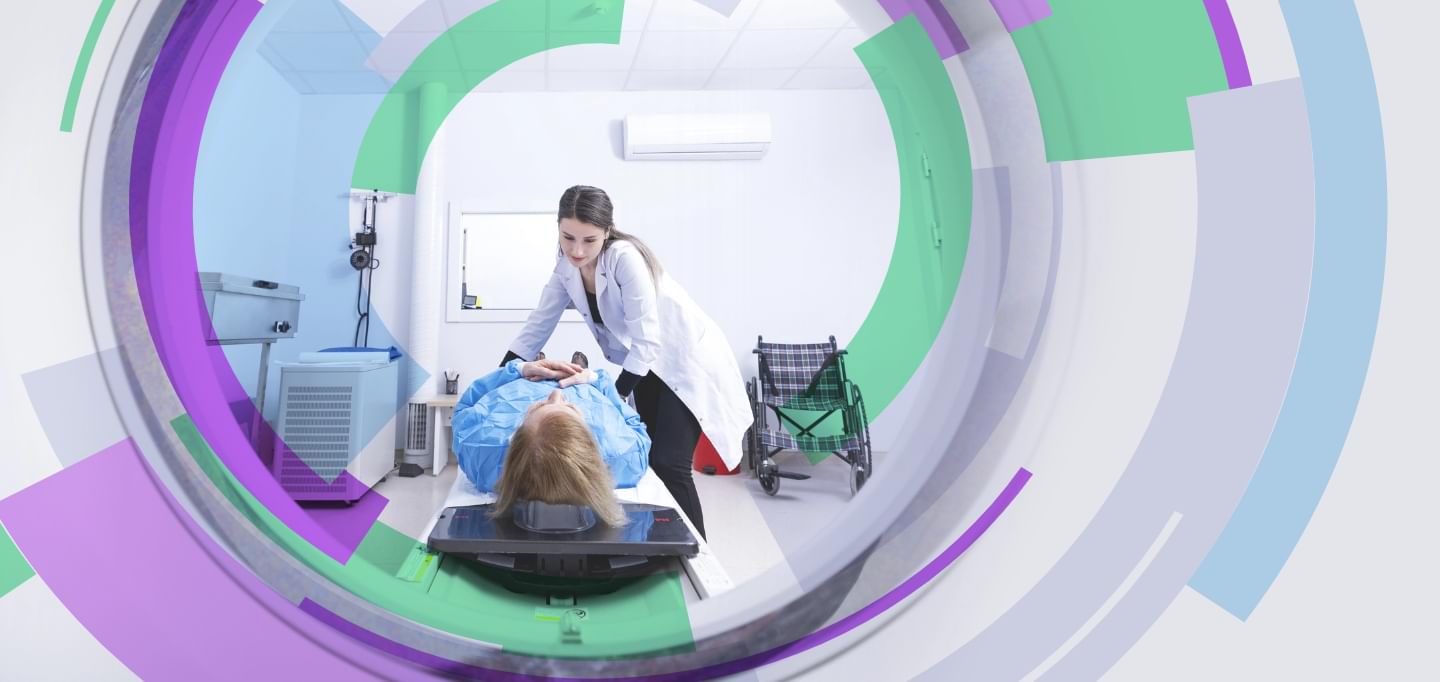
A doctor with a patient in an MRI machine

Learning objectives

  1. Summarise the limitations of current MRI contrast agents and the unmet need for novel contrast agents that maintain high efficacy with reduced gadolinium dosing
  2. Differentiate current and next-generation MRI contrast agent strategies based on features including dosing, composition, relaxivity, and stability
  3. Recall the clinical trial evidence for novel MRI contrast agents that aim to reduce gadolinium dosing while maintaining efficacy
  4. Perform a risk-benefit analysis for each patient when prescribing and dosing an MRI contrast agent involving assessment of clinical indication, feasibility, appropriateness and necessity while considering patient characteristics and risk factors

Target audience

This program is for radiologists, neuroradiologists, radiographers, MRI physicians, and imaging technologists. It is also suitable for neurologists and cardiologists.

Meet the experts

A portrait of Álex Rovira Cañellas

Álex Rovira Cañellas

Carlo C Quattrocchi portrait

Carlo C Quattrocchi

Carlo C. Quattrocchi is Professor of Diagnostic Imaging and Neuroradiology at the University of Trento, Italy
A portrait of Giles Roditi

Giles Roditi

Minerva Becker Portrait

Minerva Becker

Minerva Becker is Professor of Radiology and Head of the Imaging Unit of Head and Neck and Maxillofacial Radiology, University Hospitals of Geneva, Switzerland
A portrait of Álex Rovira Cañellas

Álex Rovira Cañellas

Neuroradiologist, Vall D’Hebron University Hospital, Barcelona, Spain
Carlo C Quattrocchi portrait

Carlo C Quattrocchi

University of Trento, Italy

Biography

Carlo C. Quattrocchi is Professor of Diagnostic Imaging and Neuroradiology at the University of Trento. For the last 10 years the main interests of research and education have focused on safety of contrast media and indications and appropriateness of gadolinium-based contrast agents in radiology. He is co-chair of the ESMRMB-GREC working group and member of the Contrast Media Safety Committee of the European Society of Urogenital Radiology.

Disclosures

Ad hoc Consultant/Speaker for events organized by Bayer, Bracco, GE HealthCare, Guerbet

Unconditional support of ESMRMB-GREC working group meetings by Bayer, Bracco, GE HealthCare, Guerbet

Unconditional support of ESUR-Contrast Media Safety committee by Bayer, Bracco, GE HealthCare, Guerbet

A portrait of Giles Roditi

Giles Roditi

University of Glasgow, Scotland
Minerva Becker Portrait

Minerva Becker

University Hospitals, Geneva, Switzerland

Biography

Minerva Becker is Professor of Radiology and Head of the Imaging Unit of Head and Neck and Maxillofacial Radiology, Diagnostic Department, at the University Hospitals of Geneva.
Professor Becker’s clinical expertise and main fields of research include head and neck and maxillo-facial imaging. Her track record is mainly in head and neck oncology research including hybrid and multiparametric imaging, and texture analysis towards a personalized treatment approach. Further research fields include imaging of the salivary glands, orbit, and skull base.

Professor Becker has received over 30 international and national scientific awards and prizes and has obtained several research grants supported by the Swiss National Science Foundation. She is the author of over 200 scientific publications and is a co-editor of Valvassouri’s Head and Neck Imaging. She is a reviewer for numerous international scientific journals and participates equally as an external expert in international and national juries for university nominations and promotions.

Professor Becker is an enthusiastic teacher with over 350 invited lectures at international and national meetings and was awarded the 2015 ESOR Best Teacher Award. As Chair of the Education Committee of the European Society of Head and Neck Radiology (ESHNR), she oversaw the European training curriculum and subspecialty diploma in head and neck radiology. She is the Past-President of the ESHNR and an honorary member of the European Laryngological Society.

Between March 2021 and July 2023, Professor Becker served as Chair of the Education Committee of the European Society of Radiology (ESR)

Disclosures

Prof Minerva Becker has no interests to disclose.